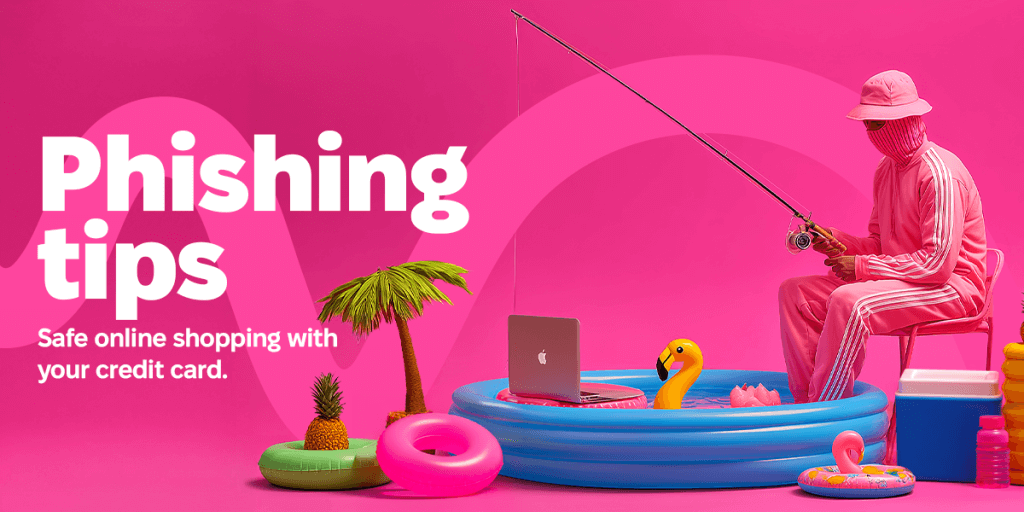
The internet connects us to the world, offering incredible opportunities, but sadly, it also connects us to soIn the digital age, online shopping has become our go-to for almost everything, from weekly groceries to that must-have gadget. The convenience is unmatched, but with more transactions comes a greater risk of falling victim to online threats.
To keep your credit card secure while shopping online and avoid phishing, here are some essential tips:
1. Verify the Website’s Legitimacy
- Look for HTTPS: Ensure the URL starts with “https://”, which indicates a secure connection.
- Check the URL and Domain: Avoid clicking on links in emails or texts that take you directly to a site. Instead, manually type the URL in your browser to ensure you’re visiting the correct website.
2. Use Strong, Unique Passwords
- Avoid reusing passwords across multiple sites. A unique password for each shopping site enhances security, especially if a site’s data gets breached.
3. Avoid Public WiFi for Purchases
- Use a secure, private internet connection when shopping online. Public WiFi networks make it easier for hackers to intercept your data.
4. Be Wary of Unsolicited Emails or Messages
- Phishing attempts often involve emails or texts that look like they’re from reputable sites, offering limited-time deals or requiring you to “verify” your account. Avoid clicking links in unsolicited messages.
5. Use Two-Factor Authentication (2FA)
- Enable 2FA on your shopping accounts and credit card providers’ websites. This adds an extra layer of security by requiring a second step to log in, such as a code sent to your phone.
6. Consider Virtual or Temporary Credit Cards
- Many banks offer virtual or temporary credit card numbers for online shopping, which can be used for one-time transactions or with limited funds. This prevents your actual credit card number from being exposed.
7. Review Credit Card Statements Regularly
- Frequently check your credit card statements for any unauthorized transactions and report them to your bank immediately.
8. Use a Reliable Antivirus and Anti-Phishing Software
- Keep your antivirus and anti-phishing software updated to detect and block phishing attempts.
9. Shop from Reputable Websites
- Prioritise well-known or verified sites over new, unknown sites, as scammers often create fake sites that mimic legitimate ones to steal credit card information.
Using these practices will help keep your personal information safe and reduce the risk of falling victim to phishing attempts while shopping online.
Previous Post
Pings and Things
Next Post